Combating Lice
The first time Korey Stoelzing’s daughters got lice she panicked and cried. The girls had played with friends who were, unknowingly, infected. After hearing the friends had lice, the Minneapolis mom thought she had better check her daughters. “I was in the kitchen combing through their hair and all of a sudden one fell out on my pants. And it was big,” she recalls. The next day, lice extermination began.
Most parents live in fear of lice descending upon their homes — and with good reason. While they don’t spread disease, lice are, after the common cold, the second most communicable condition affecting schoolchildren. Plus, face it — they’re gross. Girls, in particular, are susceptible to lice. The tiny insects are spread head-to-head in families and through sharing hats, hairbrushes, helmets and other items amongst friends. An extremely itchy scalp or white specks similar to dandruff are virtually the only signs of lice, but they can be present for several weeks without any symptoms.
the lifecycle of lice
Understanding the lifecycle of lice is helpful to treating the condition. Lice are about the size of a sesame seed and are gray. They lay several eggs, called “nits” each day on the hair shaft next to the scalp. The nits hatch six to 10 days later. Health experts generally recommend using an over-the-counter product containing pyrethrin, which is derived from the chrysanthemum flower, or permethrin, a synthetic chemical. It’s very important to follow the product directions precisely when using a medicated shampoo or crème rinse. The first treatment kills the adult lice, but doesn’t always affect the live nits, which hatch within a few days. The second treatment, given seven to 10 days later, targets the newly-born lice before they are able to lay additional eggs. In addition to using special shampoo or crème rinse, experts advise washing all laundry in 130 degree water and drying it on high for 20 minutes. Hairbrushes and combs should also be washed in medicated shampoo or 130 degree water for 10 minutes after each use. Items that can’t be washed can be put in plastic bags for two weeks since, off the scalp, lice can only live about a day, but nits can survive up to two weeks.
Lice and nits can also be removed by hand, going through very small sections of the hair in an organized manner. Stoelzing combed through her daughters’ hair every day for about three hours, pulling nits off the hair roots with her fingernails while the girls watched TV. Her youngest daughter, Claire, said, “‘This is awesome! We’ve watched every movie we own!’” recalls Stoelzing.
Stoelzing also treated her daughters with over-the-counter products and washed or vacuumed almost every item in the home. “Our washing machine was broken and I had all this laundry,” says Stoelzing. “I spent about $100 just doing load after load after load” of sheets, pillows, towels, blankets and stuffed animals. “I kind of overreacted the first time because I didn’t know any better, so I washed everything.” After about five days, Stoelzing had her girls sleep in sleeping bags because it was easier to wash them than sheets and blankets every day. Stoelzing doggedly vacuumed, washed bedding and clothing, and combed and treated her daughters’ hair and thought she had it under control.
But, about a week later, on the first day of school she got a phone call: The school nurse had found lice in Claire’s hair. Stoelzing continued with treatment and within about 10 days they were rid of lice. At least for a few years.
twice lice — not nice
Last fall, Stoelzing got a second call from a friend who was dealing with lice. “My heart just dropped,” she says, and wisely inspected her daughters. “Grace was just covered. You could just see them crawling,” behind her ears and at her neckline, the most common places to find lice in the hair.
This time, Stoelzing took a more relaxed approach to attacking the lice. She used an “all natural, organic” product that her neighbor had on hand so she didn’t have to make a trip to the pharmacy. And although she purchased a specific nit comb, she didn’t comb through the girls’ hair as thoroughly. The girls once again slept in sleeping bags and Stoelzing washed pillowcases, towels and clothes daily, but she didn’t vacuum as thoroughly or bag up other items. With this infestation, Stoelzing battled the lice about three weeks before the family got rid of them. Exterminating lice is “tedious and you have to stay on it,” advises Stoelzing.
Several small businesses in the Twin Cities have recently started providing in-home services, including Minnesota Lice Lady, Melissa’s Nit Pickers, and Ladibugs, Inc. They provide treatment products, comb and inspect hair, and reassure parents who might be panicking. Ladibugs, for example, uses a chemical and pesticide-free system called Lousebuster. Common home remedies such as coating the hair in petroleum jelly, olive oil, or mayonnaise have not been scientifically proven to be effective.
After crying about her crisis with creepy-crawlies, Stoelzing is now more philosophical. “It’s horrible, but it’s not life threatening. It’s not the end of the world.”

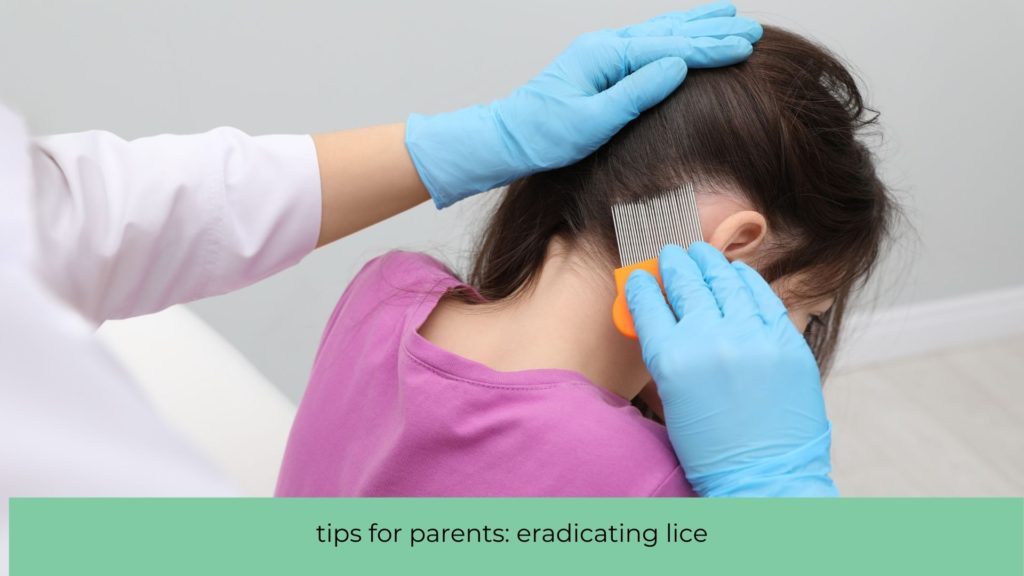
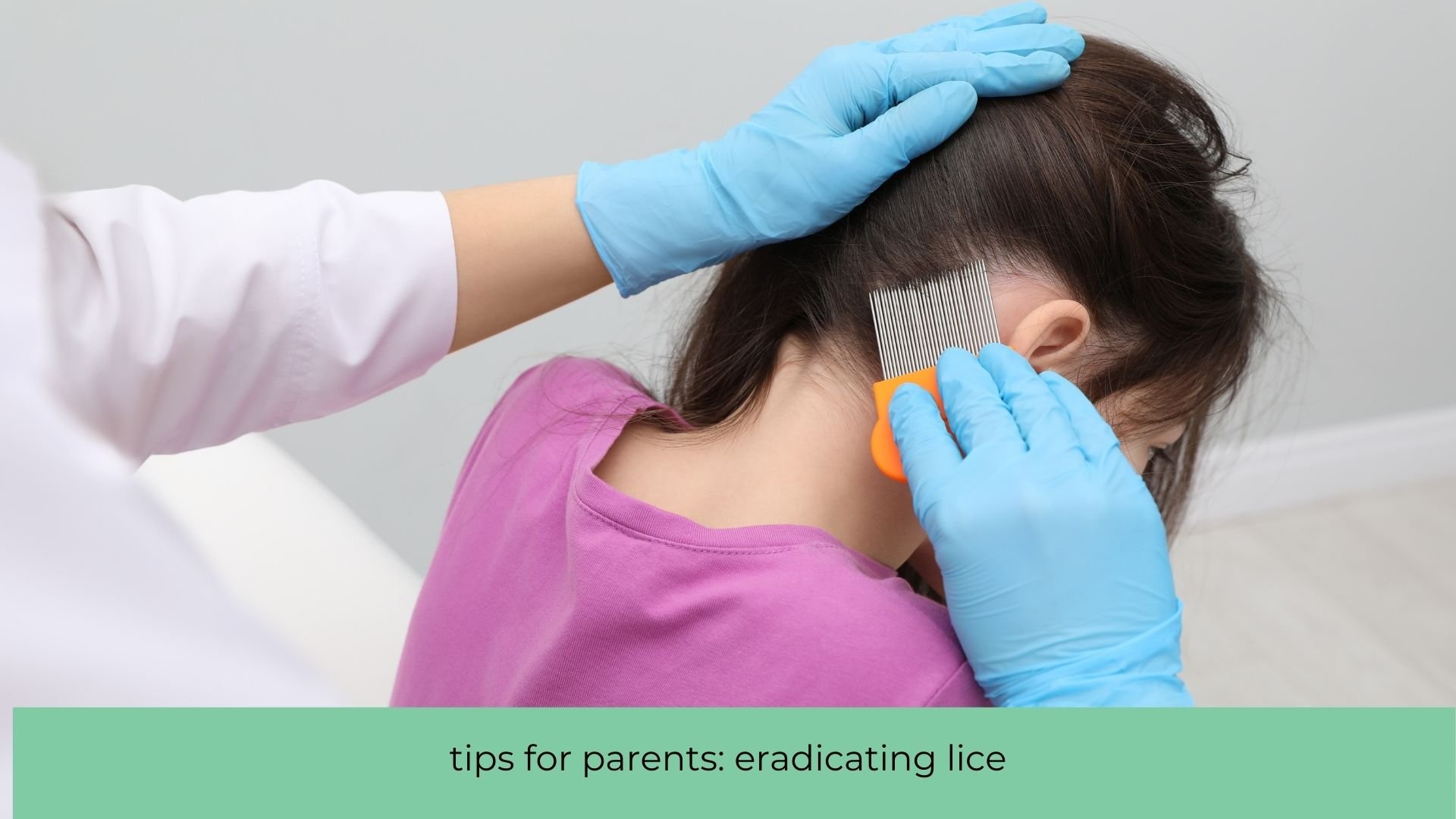
tips for parents: eradicating lice
If you suspect or learn your child has lice, be sure to notify the school. Each school district has its own policy, but frequently children are allowed to attend school after one treatment for lice.
If you have an infant with lice, or lice bites look infected, be sure to call your pediatrician. Some over-the-counter medications are not suitable for infants, as well as those suffering from asthma, allergies, seizures, and even pregnant and breastfeeding women should have the blessing of a physician before using OTC products.
It’s usually harder to find lice and nits in children with blonde hair because the insects and eggs are better camouflaged.
Treat your child as soon as you know he or she has lice. Waiting even a day might cause them to spread.
For detailed information on treating lice, visit cdc.gov; healthychildren.org or health.state.mn.us.