This is something I’ve been concerned about even before the new Minnesota law allowing the sale of food and beverages that contain THC – the ingredient in marijuana that gives someone a “high” feeling. You often hear these products commonly called ‘edibles.’ Under the law that took effect in July, edibles can only be sold to adults age 21 and older. However, even though these products are meant only for adults, there has been a reported rise in the number of kids unintentionally consuming THC products and needing healthcare support or hospitalization in recent years, especially in states where marijuana has been legalized. The good news is there are steps parents can take to keep their kids safe.
What happens if a child eats THC edibles?
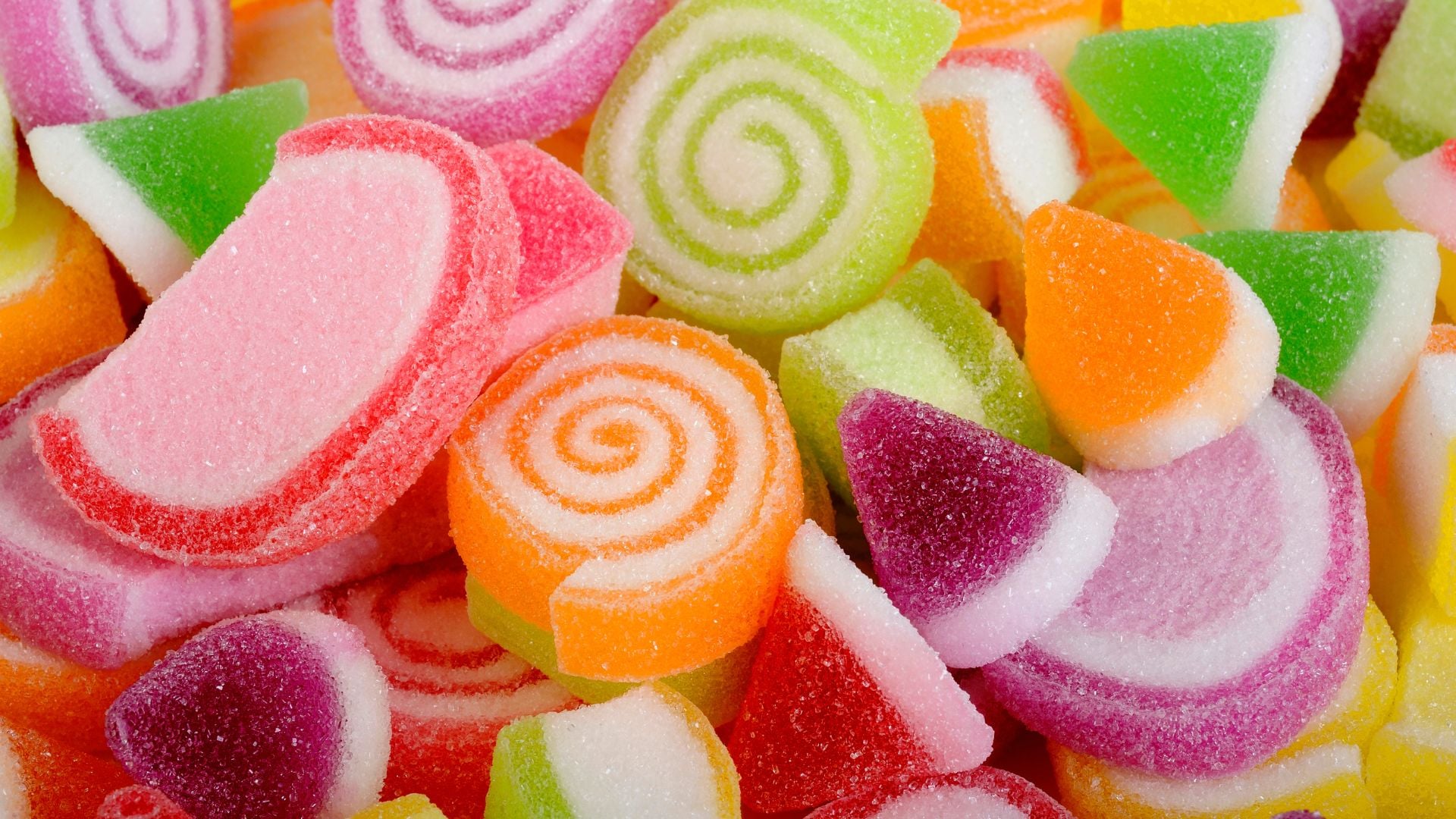
THC edibles can come in packaging that’s enticing to a child. If a child finds and manages to open a package of THC gummies or other edible product, they may not stop after eating just one. But, if they did only have even one edible or one adult serving (five milligrams of THC under the new Minnesota law), remember they can experience overdose with some of the following effects:
-Trouble breathing.
-Vomiting.
-Dizziness.
-Anxiety, panic and paranoia.
-Difficulty walking, poor coordination and slurred speech.
-Rapid heart rate.
In the event of serious THC poisoning, a child can hallucinate, develop an abnormally slow heart rate and low blood pressure. Keep in mind that THC edibles take longer to have an effect compared to smoked marijuana. Effects of an edible can be seen 30 to 60 minutes after being ingested and the ‘high’ can last up to 3 to 4 hours.

Young kids vs. teens
Young children are the most susceptive to THC poisoning. According to a 2021 study, young children, especially those under 10 years old, were more likely to be admitted to the hospital and need respiratory support for THC exposure than older children. If a child eats an edible, call the free Poison Control hotline at 1-800-222-1222, regardless if symptoms are present. They will help determine if you need to bring the child to the hospital, or if they can be safely watched at home. For teens, regular THC use can interfere with brain functions such as memory, attention and problem- solving, making it more difficult for youth to learn and succeed in school. It’s also linked to psychological problems and a higher chance of substance use disorder.
How to keep THC edibles away from kids
The easiest way to keep your kids safe from THC is to not have them and not store them in the home. But, if edibles are in the home, I recommend the following safety tips:
Store safely. Store them like medications or other dangerous products. Keep them out of reach of kids, or in locked cabinets.
Avoid buying edibles packaged to look like real candy and treats.
Use edibles with caution. Never consume THC products in front of children, either for medical or recreational purposes. Seeing the products could be tempting to kids.
Talk to family members, friends, and caregivers. Ask anyone whose home your children spend time in if they use THC edibles. If they do, make sure they store them safely. Be sure that they don’t use them in front of your children.
Talking to your child about new law and THC edibles
As more states legalize recreational marijuana and THC, fewer young people will view it as harmful. But that doesn’t line up with the proven short-term and long-term risks for kids’ health. I encourage families, especially with school starting, to talk to your kids about the potential harm of THC and marijuana edibles on their still developing bodies and minds. Treat these talks the same way you’d talk about other substances, like alcohol, tobacco and e-cigarettes, that are legal for adults but potentially harmful to kids. If you need any guidance, talk with your pediatrician.
 Ask the Pediatrician column featuring Dr. Gigi Chawla, vice president, Chief of General Pediatrics at Children’s Minnesota.