The number one question asked of new parents has got to be, “So, are you getting any sleep?” Those who’ve been there know the answer is, almost universally, no. Whether preemptively or in desperation, we’ve all found ourselves scanning the bookstore or library shelves labeled, tantalizingly, “sleep.” The titles often promise great things: sleeping through the night by nine weeks, a good night’s sleep in three days, sleep problems solved! But, no matter how many sleepless nights you have ahead of you, you’ll never have time to read them all, so we’ve condensed the big names into a handy guide to help you decide which approach is right for you.
William Sears, M.D.
The Baby Sleep Book, Nighttime Parenting, How to Get Your Baby to Sleep, and more than 30 others
It all boils down to: Nighttime parenting is as essential as daytime parenting. Breastfeed on demand, share a bed with your baby, and respond to cries as quickly as possible.
What it’s based on: La Leche League International published the first edition of Nighttime Parenting. Sears and his wife Martha, the most prominent proponents of attachment parenting, have raised eight kids and practiced pediatrics for four decades.
This might work for you if: Attachment parenting — babywearing, on-demand feeding, etc. — appeals to you.
Take it with a grain of salt: Sears makes it pretty clear that he believes one parent — preferably the mother — should stay home with the baby.
Our favorite advice: Never sleep with your baby if you are under the influence of alcohol or any other drug.
Mary Sheedy Kurcinka
Sleepless in America
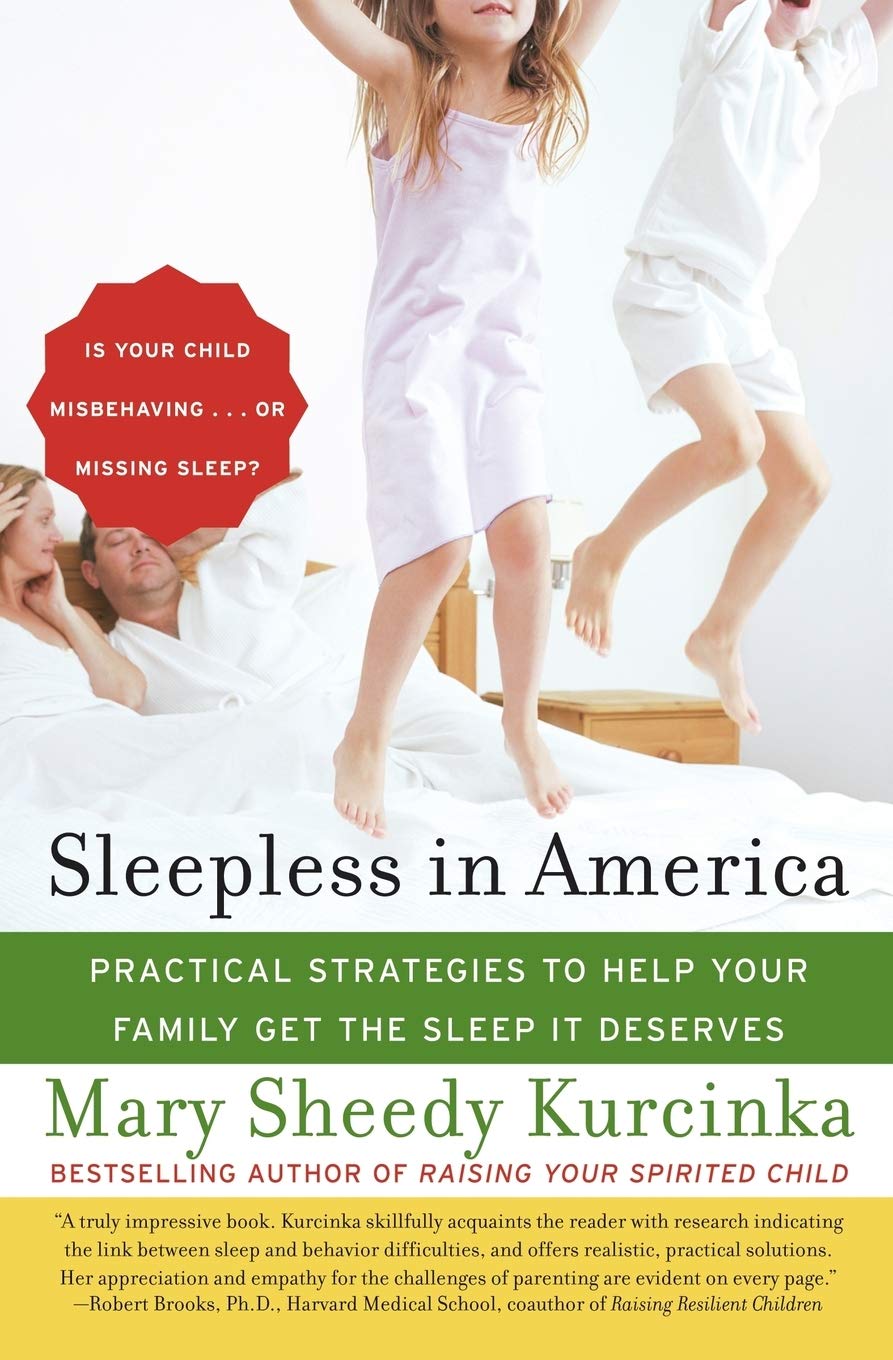
It all boils down to: Sleep deprivation is widespread and masquerading as behavior problems among American kids. To help your kids sleep, “listen to your heart” and respond sensitively to their needs.
What it’s based on: Sheedy Kurcinka is a St. Paul-based teacher and parent educator.
This might work for you if: Your kids are past the infant and toddler stages and you’re still looking for sleep solutions.
Take it with a grain of salt: The author says some intense kids simply won’t let you put them down while they’re still awake. Sears supports this, while Weissbluth and Mindell disagree.
Our favorite advice: Pay attention to how your own lack of sleep is affecting your parenting.
Richard Ferber, M.D.
Solve Your Child’s Sleep Problems
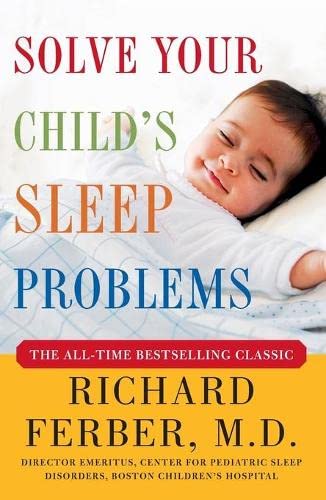
It all boils down to: “Ferberizing” has come to refer to the gradual sleep training technique of allowing your child to “cry it out” for progressively longer periods before going in to comfort her.
What it’s based on: Ferber directs the Center for Pediatric Sleep Disorders at Children’s Hospital in Boston.
This might work for you if: You’re at the end of your rope… or never want to get there. Take it with a grain of salt: Ferber’s name is often invoked with scorn among parents who are against his seemingly harsh approach, but his advice is actually more nuanced and forgiving than it seems. He even devotes a chapter to cosleeping and how to make it work.
Our favorite advice: Whatever you feel comfortable doing is the right thing, as long as it works.
Marc Weissbluth, M.D.
Healthy Sleep Habits, Happy Child
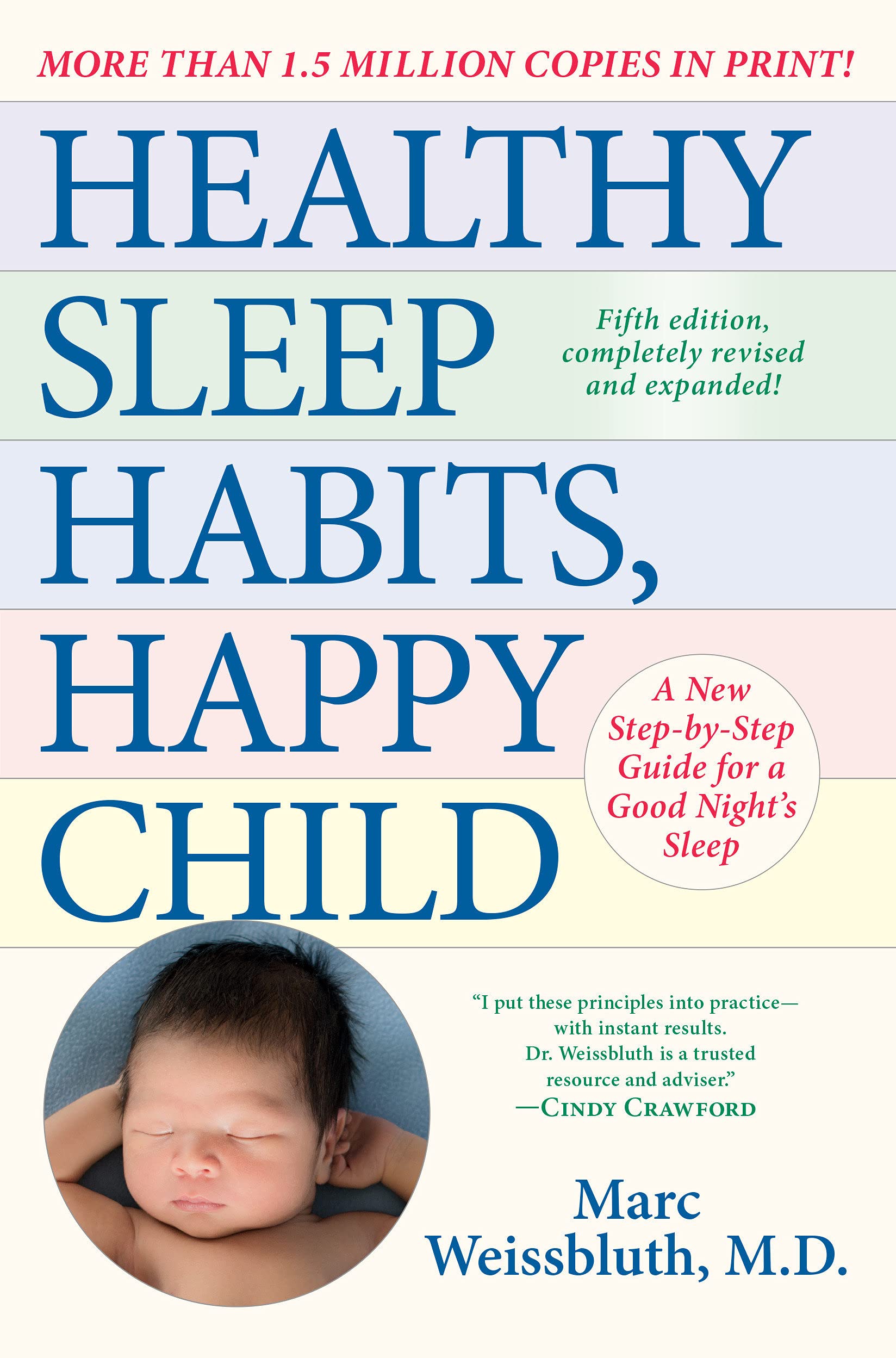
It all boils down to: Weissbluth’s is the toughest book to summarize because it is so very thorough, walking parents, month by month, through changes in babies’ sleep needs. He recommends putting babies to bed awake before they show signs of drowsiness; a tired baby will have trouble sleeping. Naps are important and there’s more to healthy sleep habits than just sleeping through the night.
What it’s based on: A pediatrician for more than three decades, Weissbluth founded the Sleep Disorders Center at Children’s Memorial Hospital in Chicago and has authored numerous childhood sleep studies.
This might work for you if: You want to read the whys and wherefores behind an expert’s advice.
Our favorite advice: Weissbluth grants that, sure, the gradual approach to sleep training, à la Ferber, might work, but he thinks it’s too draining for working parents.
Jodi Mindell, Ph.D.
Sleeping Through the Night

It all boils down to: Create a sleep schedule and sleep routines between six weeks and three months of age. It’s much easier than sleep training later, but Mindell offers tips for that as well.
What it’s based on: Mindell is the associate director of the Sleep Disorders Clinic at the Children’s Hospital of Philadelphia and has written extensively on pediatric sleep disorders.
This might work for you if: You like a forgiving, friendly voice that encourages you to try — within limits — a variety of approaches.
Our favorite advice: Keep in mind that, in the first few weeks with a baby, that eight-hour stretch of uninterrupted sleep you dream about simply won’t happen.
Gary Ezzo
On Becoming Baby Wise, with Robert Bucknam, M.D.
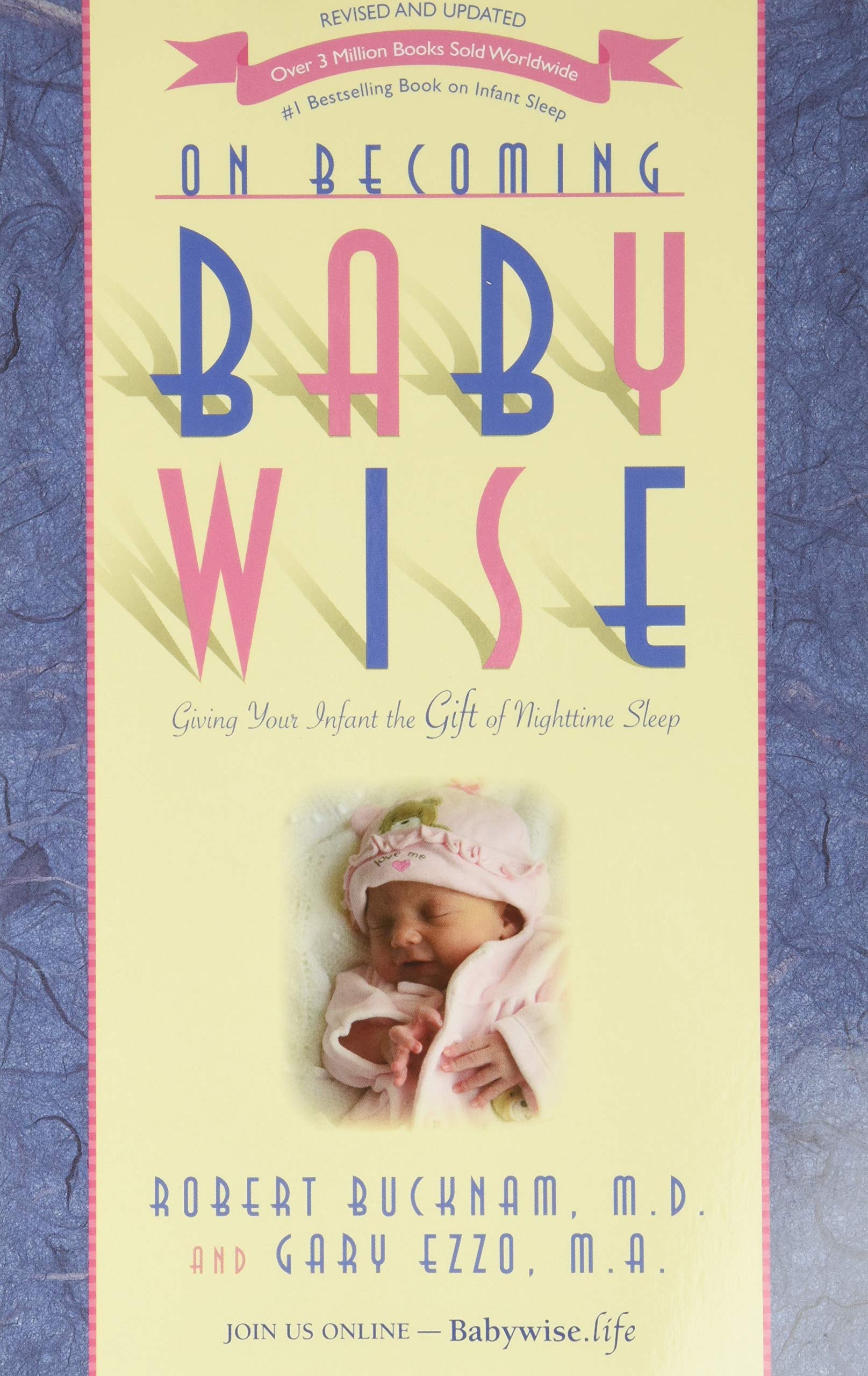
It all boils down to: Put your baby on a “flexible routine” for feeding and she’ll sleep through the night by 7–9 weeks.
What it’s based on: “Babywise,” as it’s known, grew out of Ezzo and his wife Anne’s Christian parenting ministry.
This might work for you if: The whole attachment parenting idea has never appealed to you. Ezzo uses AP as a frequent foil to his “family-centered, not child-centered” ideas.
Take it with a grain of salt: Ezzo claimes success rates of 85–95 percent and pooh-poohs the idea that some babies just aren’t ready to sleep through the night at less than three months. Also, the American Academy of Pediatricians has expressed concerns specifically about Ezzo’s feeding schedule.
Our favorite advice: A sleep-deprived mother — let’s face it, Ezzo never once mentions fathers — can’t respond adequately to her child’s needs.
Minnesota Parent may earn a small commission for any affiliate links to any products or services from this website.