Eye health is an important factor in our overall well-being. Yet 63% of Minnesota children don’t regularly see an eye doctor, making Healthy Vision Month an important time to shine a spotlight on one of the most common conditions that affects our vision.
Also known as nearsightedness, myopia affects our ability to see far-away objects clearly and has been linked to a greater risk of developing serious eye diseases later in life.
Unfortunately, myopia is on the rise, affecting around 42% of all Americans and 36% of children nationwide. By 2050, it is projected that 50% of people worldwide will be nearsighted.
In an increasingly digital world, it’s more important than ever to be aware of this growing issue and how to address it. This is especially true for kids. According to the American Optometric Association, children who spend most of their time on both a smartphone and a computer have an 80% higher risk of developing myopia.

That is why it’s important to consider ways to support eye health for you and your family. Here are some tips from UnitedHealthcare:
Watch for warning signs of myopia. Some common symptoms include far-away objects appearing blurry while close-by items are clear, squinting to see properly, eye strain and even headaches.
For parents and caretakers, it’s important to remember that children may not know they have a vision problem, so pay attention to indicators like head tilting to read or watch TV, reduced performance at school or constant blinking.
Reduce excessive blue light exposure. Research is showing the potential health implications of excessive exposure to blue light, including disrupted sleep cycles and digital eye strain. Nearly 60% of U.S. adults report experiencing symptoms of digital eye strain with Americans spending an average of 7 hours per day interacting with screens.
Make sure to spend time outdoors away from digital devices, which research has shown may reduce the risk of nearsightedness.
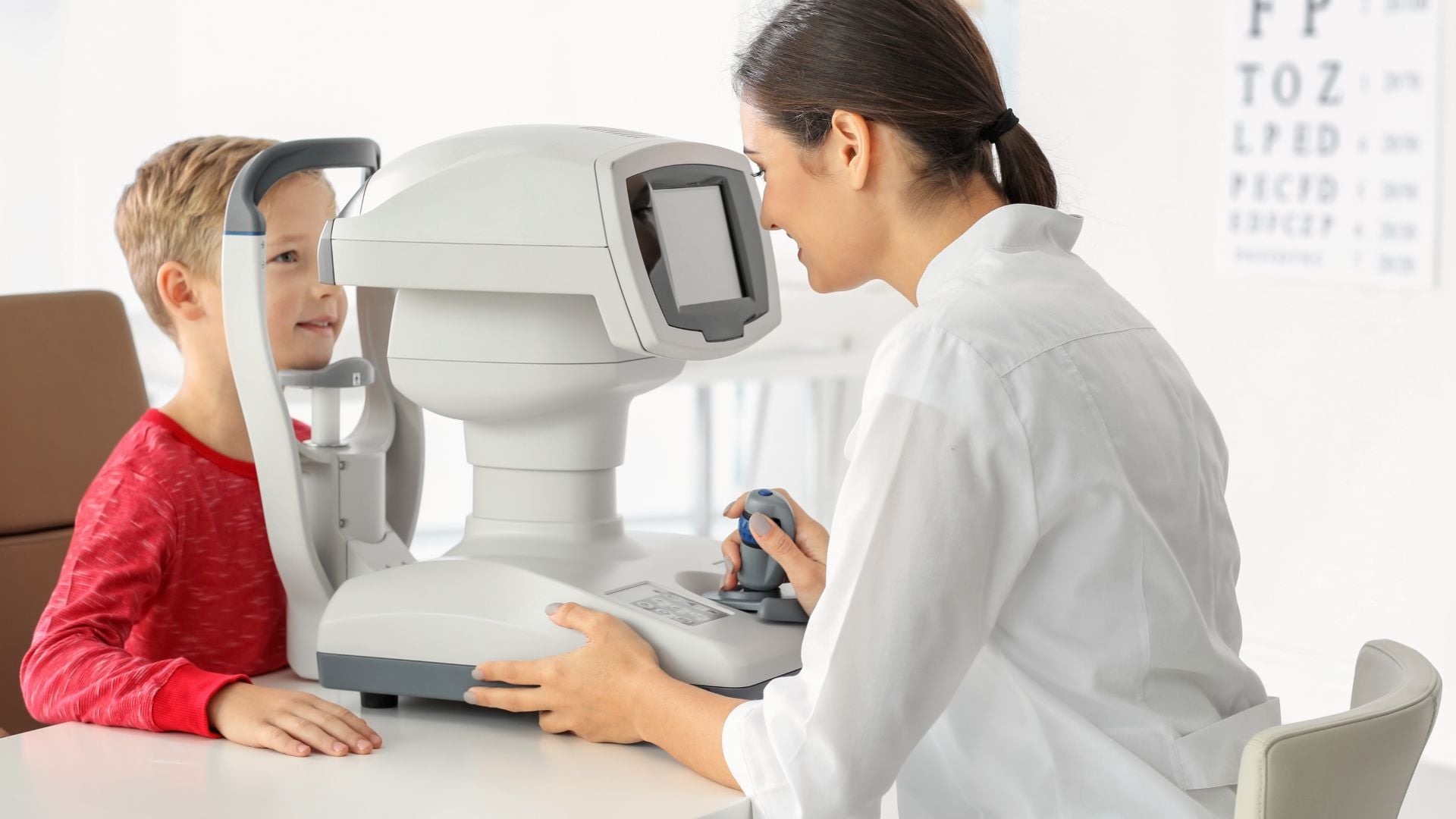
Get a comprehensive eye exam and consider myopia management if needed. If you think you may be experiencing vision issues or if you’re a frequent computer user, make sure to visit an eye doctor and get a comprehensive eye exam. These exams can detect health problems that a simple vision screening may miss.

For parents and caretakers, it’s important to schedule annual comprehensive eye exams for children – even if they get their vision checked at school.
Maintaining good eye health is an important step everyone can take to protect their overall well-being and may help prevent or slow the onset or progression of nearsightedness and other vision conditions.

Dr. Abigail Miller, a family physician and Chief Medical Officer at UnitedHealthcare of Minnesota
Sponsored Post from UnitedHealthcare of Minnesota.
Related Article: Your child’s first visit to the dentist