This is a Sponsored Post from Mounds Park Academy.
Before they dream big, they wonder.
About puddles and paint. Books and butterflies. Questions and possibilities.
Those small moments of curiosity are doing important work. During the early childhood years, children are developing not only foundational academic skills, but also confidence, independence, relationships, resilience, and their understanding of themselves as learners.
At Mounds Park Academy (MPA), the early years are a remarkable time of discovery. Beginning with the 2027-28 school year, MPA is expanding its Early Childhood program to include two dedicated classrooms: Preschool for children beginning at age three and PreKindergarten (PreK) for children in the year immediately preceding kindergarten.
The expansion is designed to give children an experience tailored intentionally to their developmental stage while preserving what has defined MPA’s Early Childhood program since it began in 2005: small classes, nurturing relationships, purposeful play, and a deep respect for each child as an individual.
Learning Begins With Wonder
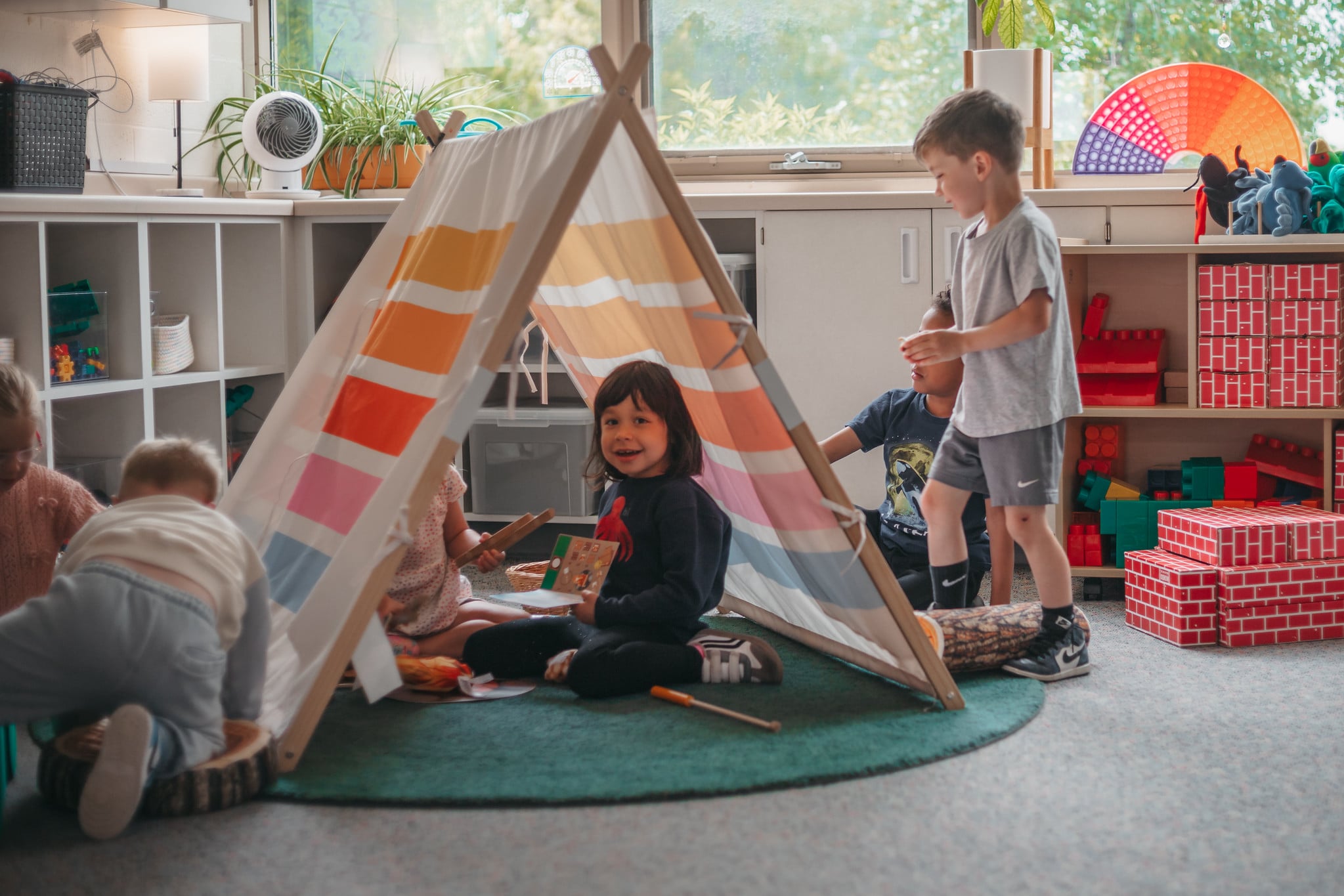
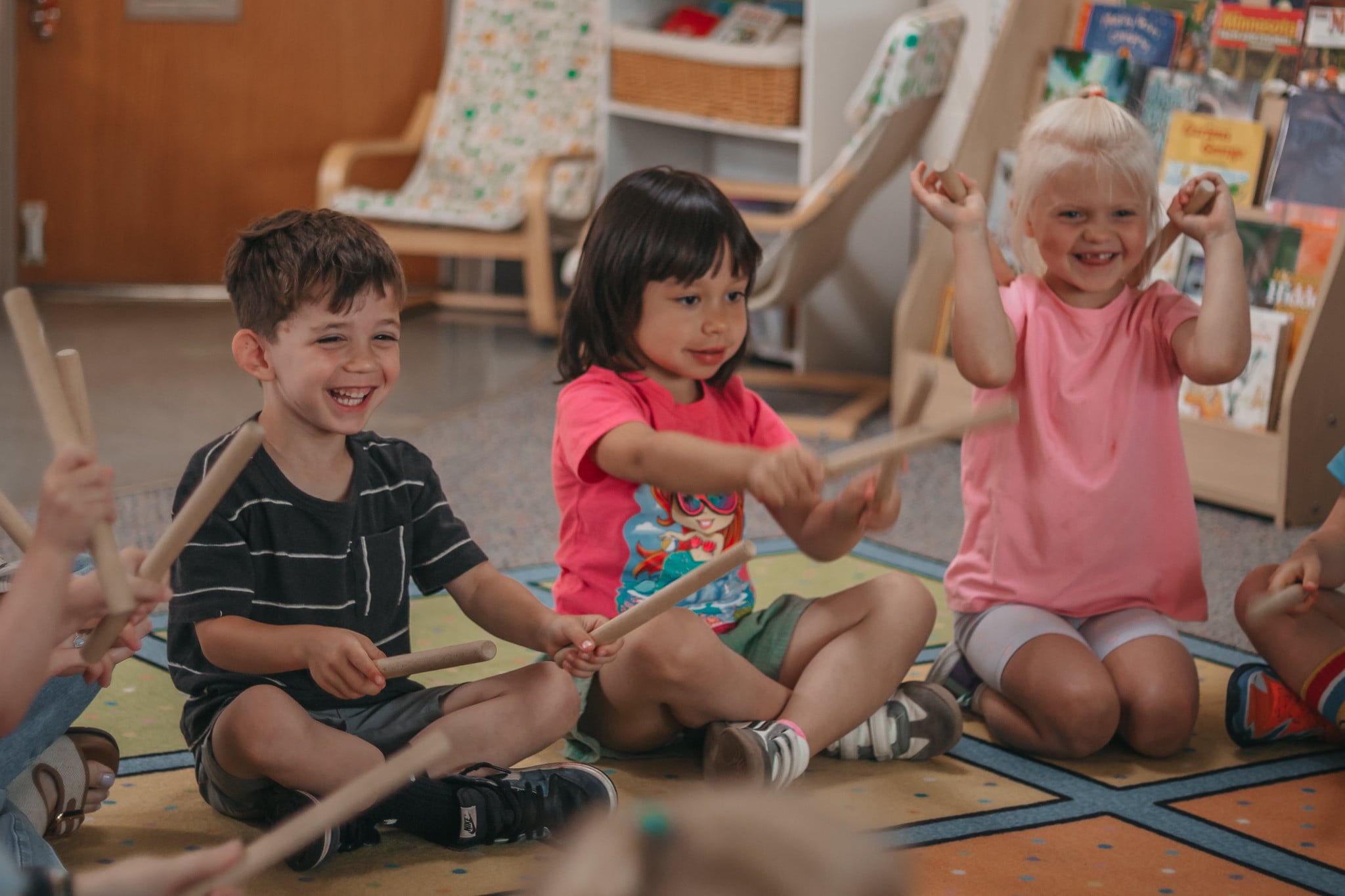
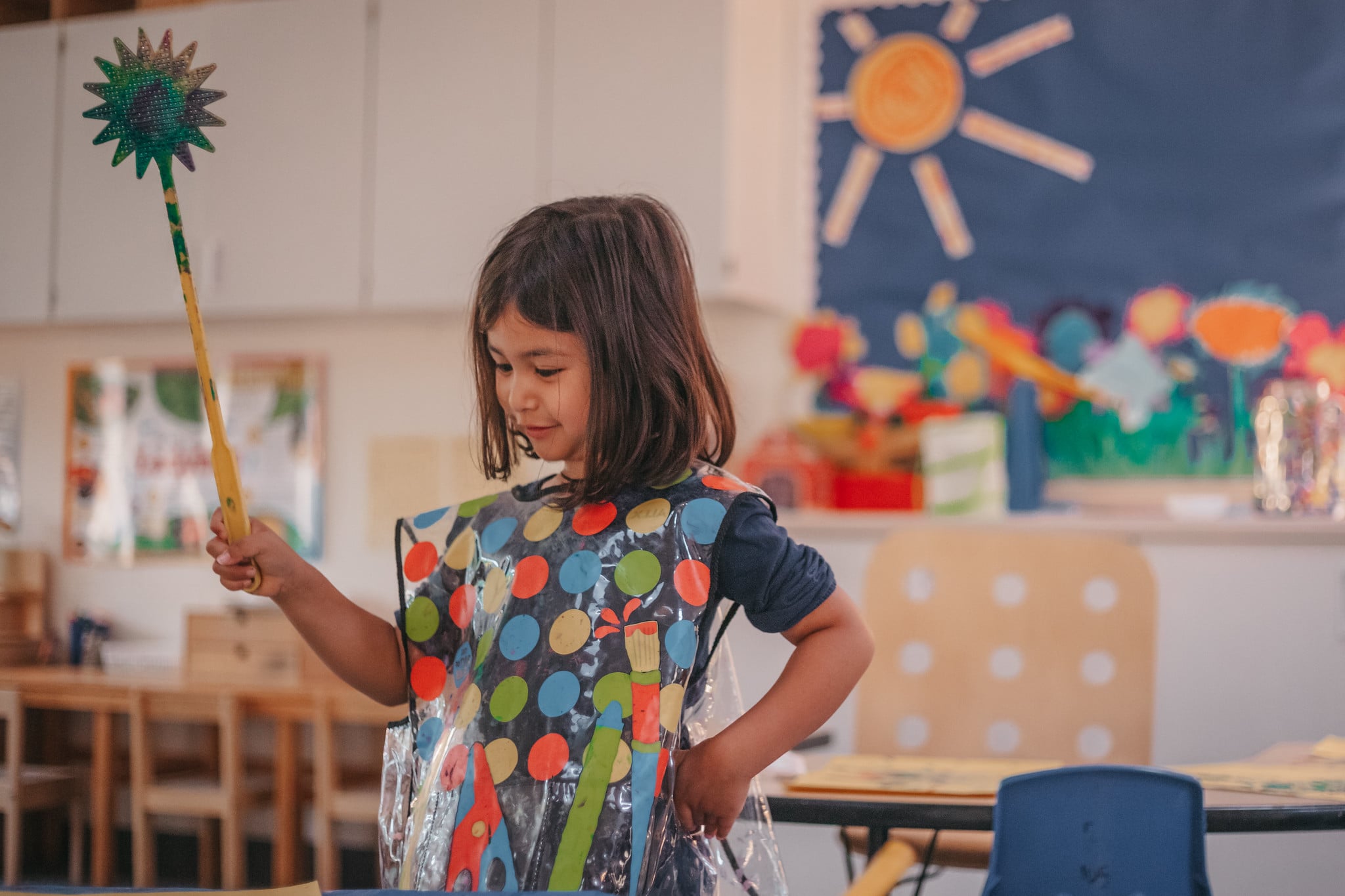
Through guided play and hands-on exploration, children develop early literacy, math, science, and creative skills alongside communication, problem-solving, collaboration, and independence. At MPA, classrooms include art and writing centers, building and engineering materials, math manipulatives, literacy areas, sensory experiences, quiet reading spaces, and opportunities for small-group learning.
The approach reflects the simple idea that young children are capable, curious participants in their own learning. Rather than separating academic growth from social, emotional, creative, and physical development, early childhood education can nurture all of them together.
This approach is also supported by nationally recognized standards for high-quality early childhood education. MPA’s Early Childhood program is accredited by the National Association for the Education of Young Children (NAEYC), whose standards emphasize developmentally appropriate practice, active exploration, meaningful relationships, play, discovery, and responsive teaching. MPA is the only PreK-12 school in Minnesota–and the only independent school in the state–to hold NAEYC accreditation.
That philosophy also guides the distinction between MPA’s new Preschool and PreK classrooms. Preschool will emphasize exploration, purposeful play, and growing independence, while PreK will build on those foundations through hands-on discovery, collaboration, and increasingly complex learning experiences.
Being Known Changes How Children Learn
A teacher who knows a child is fascinated by something unique can turn that fascination into a learning experience. A teacher who recognizes when a child needs encouragement can help make an unfamiliar situation feel manageable. And a classroom where children feel comfortable making mistakes gives them room to take the kinds of small risks that build confidence.
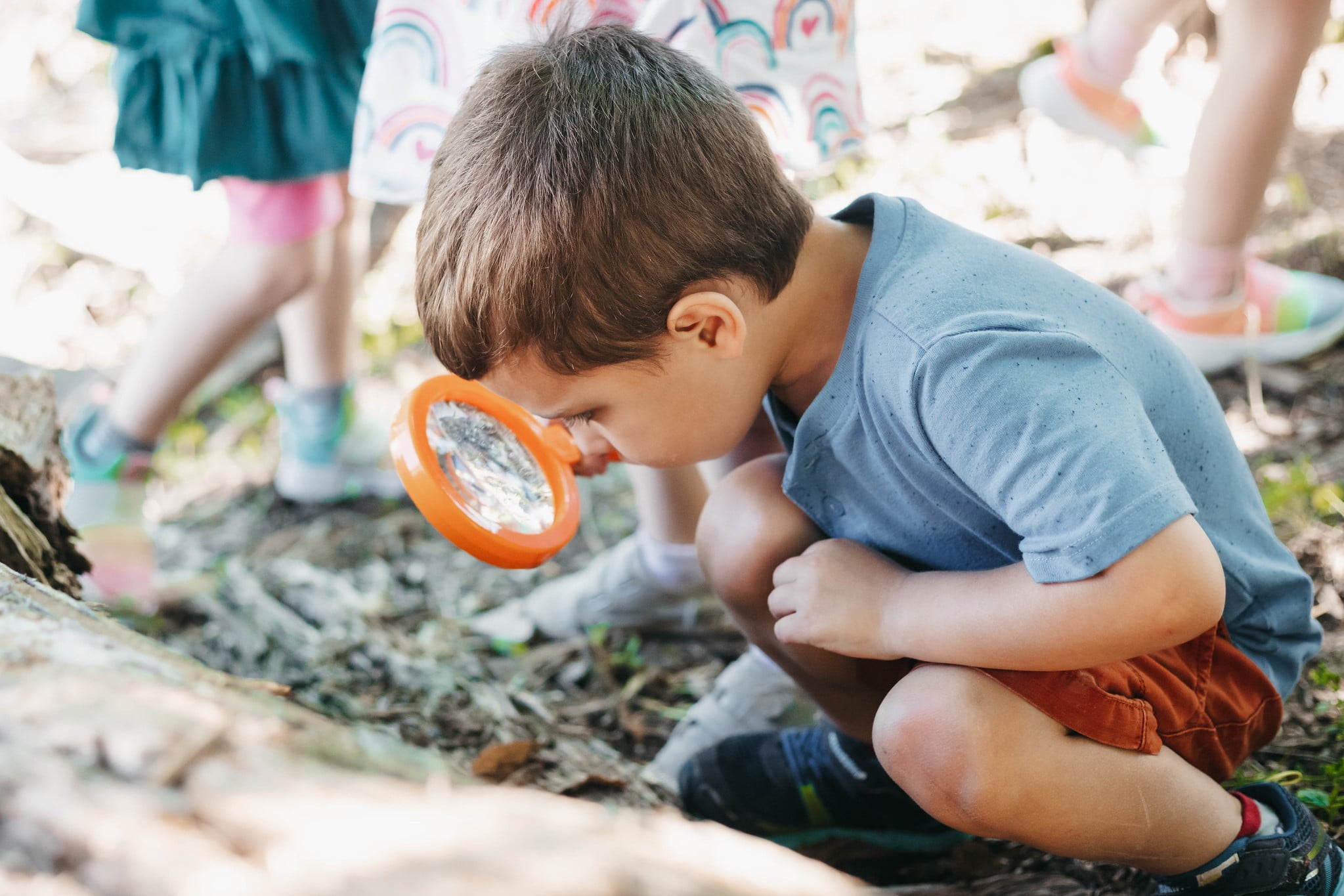
For one MPA PreK student, a fascination with bugs, frogs, and toads became part of his classroom experience. After he brought in photos from a nature walk, his teacher projected them during circle time so he could share his discoveries with classmates. His interest even led to opportunities to learn sign language, including signs for “praying mantis” and “bug.”
It is a small example of something that matters deeply in early childhood education: teachers don’t simply need to know what they’re teaching. They need to know the children they are teaching.
Small class sizes help make those relationships possible. MPA maintains a 1:5 teacher-to-student ratio in Preschool and a 1:7 ratio in PreK, giving teachers greater opportunities to respond to individual interests, strengths, needs, and developmental stages.
Kindergarten Readiness Is About More Than Academics
For parents considering Preschool or PreK, one question often rises to the top: Will my child be ready for kindergarten?
Academic preparation matters. Children in MPA’s PreK program explore literacy, math, science, and the arts through hands-on experiences. But kindergarten readiness also includes learning how to communicate, collaborate, navigate friendships, approach something unfamiliar, advocate for yourself, and persist when something feels difficult.
MPA parents Rachel and Sam Sneve described watching their child become more confident, resilient, and willing to enter new situations knowing she could “do hard things.” Another Jasmin Stees, saw a child who had initially been reluctant to attend school grow into someone who looked forward to going each morning.
MPA’s Early Childhood Program provides an additional layer of preparation as students prepare to continue at the school K-12. Students become familiar with the campus, routines, teachers, specialist classes, and wider school community before kindergarten begins. Early Childhood students also participate in physical education, music, and library with specialist teachers multiple times each week.
The goal isn’t simply to make children ready for kindergarten. It is to help them become confident, curious learners who are excited about what comes next.
Growing Up In A PreK-12 Community
Early childhood can sometimes feel like its own world. At MPA, it is part of the larger school community from day one.
Because students from age three through grade 12 learn on one campus, Early Childhood students participate in age-appropriate school traditions, Lower School gatherings, character education activities, performances, special events, and community celebrations. They build relationships with specialist teachers and begin to understand that their classroom is part of something larger.
For families who continue through kindergarten and beyond, that familiarity can make the transition to elementary school feel more natural. But the value extends beyond continuity. Seeing themselves as members of a community gives even the youngest students opportunities to develop connection and belonging.
Families become part of that community, too. Parents receive regular communication, feedback, assessment information, conferences, written summaries, and student portfolios, while also having opportunities to participate in parent education, volunteer experiences, athletics, performing arts, community events, and other school programs.
The program is also designed with family flexibility in mind. MPA offers three-, four-, and five-day enrollment options for the school year or year-round. The school day runs from 8 AM-3 PM, with tuition including lunch, snacks, and before- and after-school care as needed. Before-school care begins at 7:30 AM, and after-school care is available until 5:30 PM.
Originals In The Making
Perhaps the clearest measure of an early childhood experience is what parents notice happening to their children over time.
Sean and Emily Dunham reflected that while their daughters’ academic growth was wonderful, what struck them most was “who our daughters are becoming”—children growing in confidence, friendship, communication, and curiosity.
Cait Osell described what it meant to see her child experience school as a place where she belonged: “I am incredibly grateful that my child is so loved, and that she truly sees her classroom and MPA as her community.”
That sense of being known and belonging creates a strong foundation for everything that follows. Before children know what they want to become, they are discovering what interests them. Before they pursue big ideas, they ask small questions. Before they confidently step into kindergarten, they learn that school can be a place where their ideas matter.
The early years are when curiosity becomes confidence and children begin to discover who they are. Because every child is an Original in the Making.