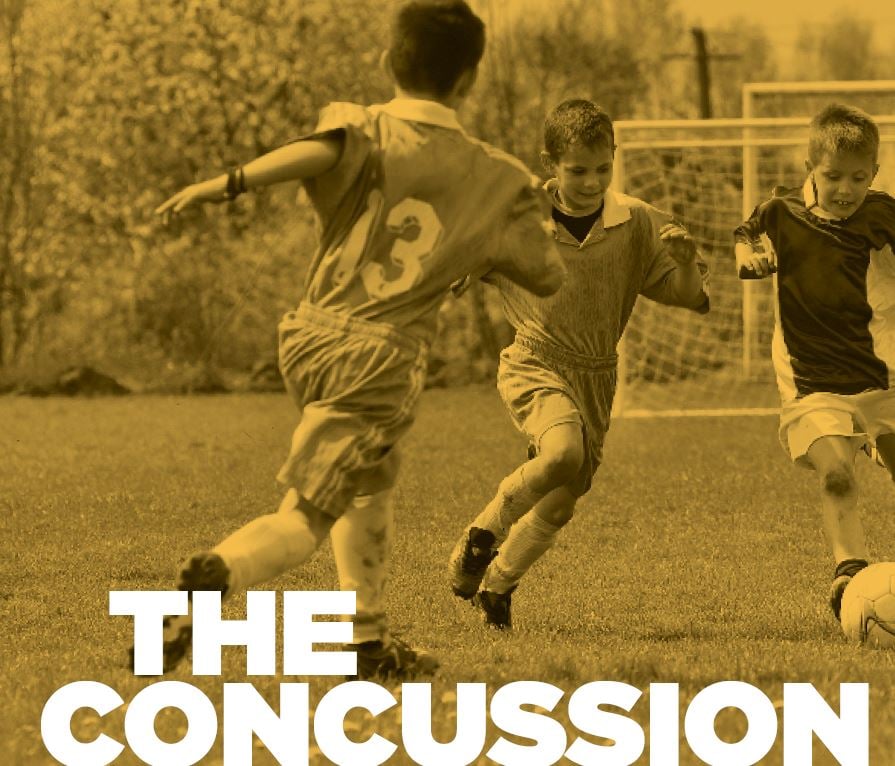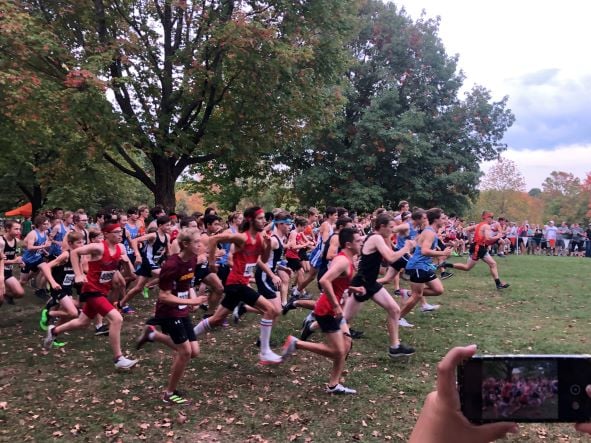
It’s that time of year in Minnesota, fall sports are in full swing, literally. From two-a-day practices to weekend-long tournaments, these days many student athletes are practicing their sports much harder and longer than when we were kids.
Overuse injuries are more common in athletes who participate in year-round athletics and they account for nearly half of injuries to students in middle school and high school.
We often see young athletes at the Urgency Room (some still in their uniform) showing up with extreme pain from an overuse injury that has flared up during a game or competition. Here is a look at the top overuse injuries at The Urgency Room, how those injuries present and what patients can do to prevent or treat them.

Elbow and Arm Injuries
- Most Common with Baseball, Tennis and Golf
For baseball players, the most common throwing injury is known as Little League elbow. Pai
n occurs on the inside of the elbow and throwing velocity decreases. Golfers can also experience medial epicondylitis. In tennis elbow, tissue connecting the forearm muscle to the elbow is inflamed with pain presenting on the outside of the arm.
Symptoms of an elbow or arm injury:
- Forearm pain
- Wrist pain
- Weak grip
- Decreased velocity in throwing
- Pain or swelling in the front of your shoulder and side of your arm
- Stiffness
Foot and Ankle Injuries
- Most Common with Running, Dancing and Volleyball
Think of it, each foot has more than a dozen bones, 33 joints and over 100 tendons and ligaments. That’s why these overuse injuries are so common. Just one wrong move for a runner or a poorly landed jump for a dancer can mean an end to the competition season.
Heel pain or plantar fasciitis is common. This condition affects the tendon that runs under the foot.
Symptoms of a foot or ankle injury:
- Pain, stiffness or tenderness in the foot or area of injury
- Mild swelling along the tendon

Knee Injuries
- Most Common with Soccer, Football and Basketball
Knee injuries are most common in sports that require jumping, twisting or sudden movements of the legs. Think of an ACL sprain or tear, the most common type of this injury. It happens when you change direction too rapidly (soccer players) land from a jump incorrectly (dancers) or stop suddenly (basketball players).
Symptoms that indicate a knee injury has occurred include:
- Swelling
- Pain when bending the knee
- Loss of range of motion
- Stiffness in the knee
- Tenderness
- Discomfort
Preventing overuse injuries
- REST and always give your body adequate time to recover
- ALWAYS Warm up and cool down after workouts
- Use cross-training as part of your routine to strengthen a variety of muscles
- Increase workouts at a rate no faster than 10 percent per week
- Listen to your body, don’t ignore aches and pains
 Dr. Matticks is the Medical Director of The Urgency Room, which has three Twin Cities locations in Eagan, Woodbury, and Vadnais Heights. Learn more at: www.urgencyroom.com.