*This is a Sponsored Post by Roblox
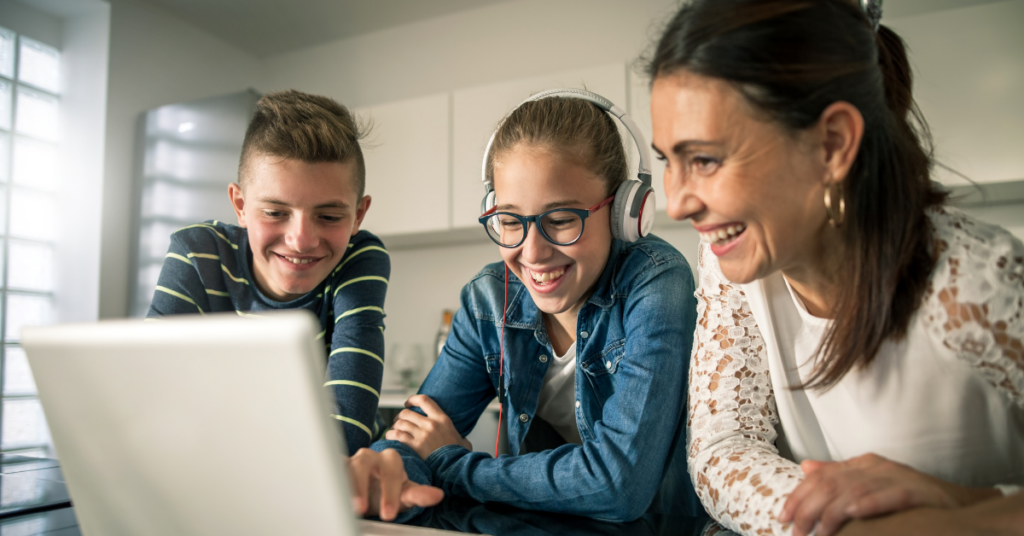
It’s 10am on a Tuesday in July. Your kid has been up for two hours, already eaten breakfast, and is now on the couch with a tablet. Sound familiar?
For most families, that scene plays out on repeat all summer long. And the response is usually the same: frustration, negotiation, and a screen time limit that’s often hard to enforce.
But before the argument starts, it’s worth asking a different question first — not how much time is your kid spending online, but what are they actually doing while they’re there?
Online Spaces Are Starting to Look Different
Today, online platforms like Roblox have evolved to become more than just spaces where kids go to play games. For many children, they’ve transformed into places to code and build artistic spaces, experiment with new ideas, and learn important life skills. Without realizing it, kids are engaging in a different form of learning, creating their own games, picking up the fundamentals of coding, art design and creativity, and collaborating with friends to solve problems in real time.
That’s part of why innovative educators and organizations are leaning into these platforms.
Coder’s Clubhouse in the Twin Cities, is one example.
Founded by Katie and Jeremiah Talamantes, the tech education center uses platforms that kids already care about to teach coding, game design, and problem-solving in ways that feel engaging instead of forced. Their philosophy is pretty simple: kids learn best when they’re interested in what they’re doing.
“When a student realizes the games they’ve been playing for years were built with code — and that they can build games too — something shifts,” says the Talamantes’s. “They stop seeing themselves as players and start seeing themselves as engineers.”
Another example is the Hallie Q. Brown Community Center, which demonstrates how digital spaces like Roblox can be leveraged to teach young people about history and culture. The Hallie Q. Brown Community Center, in collaboration with Jolie Davis, a Macalester College student, created a game on Roblox called Enter the Rondo-Verse. The immersive experience doesn’t just teach kids about the history of the Rondo neighborhood and its historic figures, it allows them to walk through recreations of buildings and moments that shaped the neighborhood, turning a local history lesson into an active, educational exploration.
Why It Works
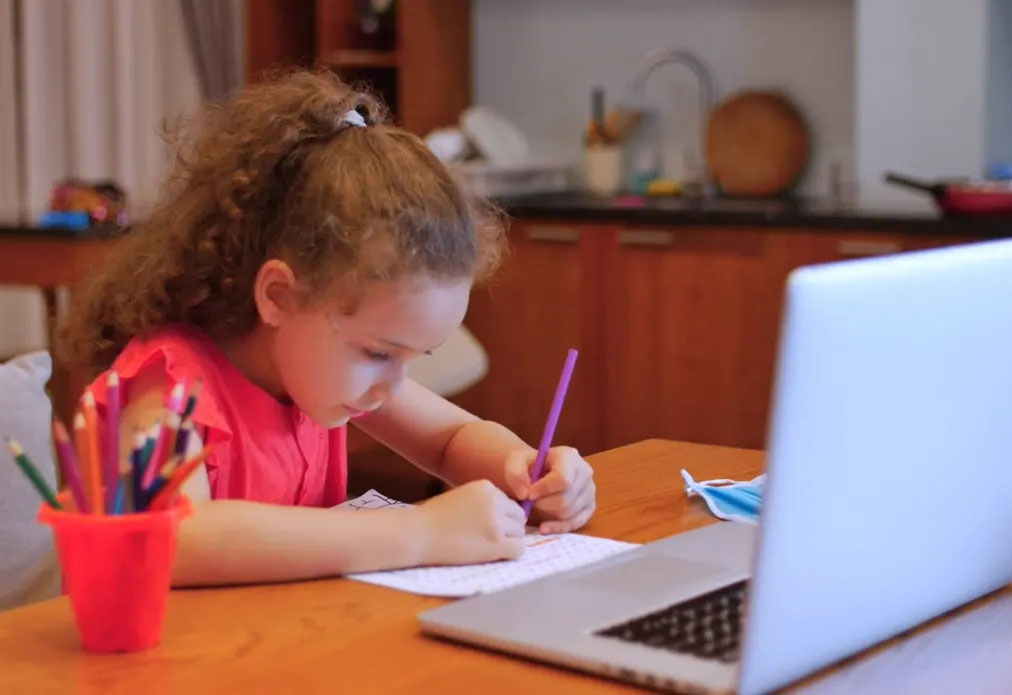
Traditional summer learning is a hard sell for kids. Workbooks and extra assignments feel like more school during the months when they are finally supposed to get a break.
Programs like Coder’s Clubhouse take a different approach by providing opportunities for kids to learn through building, experimenting, and figuring things out as they go. Roblox works especially well for that because it gives students a chance to create instead of simply passively consuming content. They build with friends, troubleshoot problems and stick with projects because they actually care about the outcome.
Roblox itself has also invested more heavily in educational content in recent years. Through experiences like Roblox’s Learning Hub, kids can easily explore everything from coding and STEM-focused challenges to learning new vocabulary words and ancient history.
The benefits aren’t just technical or subject-based. For many parents, a quick glance at their child’s screen reveals that Roblox isn’t a solitary activity – it’s an extension of the school playground. It’s how young people keep in touch with classmates over the summer, having virtual playdates with real-life friends.
This social connection is where vital life skills are built. When kids team up to build a virtual world or navigate a challenging obstacle course together, they aren’t just gaming. They are developing and practicing real-world life skills like collaboration, teamwork, and communication.
Parents Still Matter
None of this means parents should throw limits out the window. And through parental controls on Roblox, parents can monitor and manage screen time and spend limits for their children.
Kids still need time outside, face-to-face interaction, family connection and opportunities to unplug completely. But treating all screen time exactly the same feels like a disservice.
A child spending an afternoon building a game, designing a new virtual world, or collaborating with friends online to solve a complex puzzle or challenge is having a fundamentally different experience than one passively scrolling through videos or social media.
That distinction is especially important during the summer months when kids have far more unstructured time on their hands.
Parents don’t need to become gaming experts overnight. Often it starts with simply paying attention to what kids are actually doing online and guiding them toward spaces that encourage creativity, curiosity and skill-building instead of passive consumption.
A Better Summer Screen Time Conversation
The conversation around screen time isn’t going away anytime soon, nor should it. There needs to be a healthy balance. But this summer, maybe the goal isn’t just less time online.
Maybe it’s using that time online to build new skills.
*This is a Sponsored Post by Roblox