*This is a Sponsored Post by Roblox
Like most parts of childhood, gaming is not simply good or bad. Balance, communication and involvement all matter. When approached thoughtfully, online creative spaces can support mental well-being through learning, self-expression and connection. When we look at online gaming through a broader lens, it can change everything.
A common perspective among parents is to view online gaming cautiously because it is seen as entertainment only. However, that perspective often misses why most kids are so drawn to online gaming in the first place. Online gaming is where kids connect with friends after school, collaborate on ideas, solve problems together, and express themselves creatively. During Mental Health Awareness Month, those moments of connection are worth paying attention to.
As parents continue navigating conversations around screen time and technology, many are recognizing that not only are online spaces not going anywhere, but they also offer something positive: community. Whether kids are building virtual worlds, chatting with classmates while playing or sharing something they created, gaming can give them opportunities to feel connected, capable and understood.
That sense of belonging matters, especially for young people who may struggle to find it elsewhere. Digital spaces can help kids explore interests, build confidence and maintain friendships in ways that feel natural to them. For some children, creating and collaborating online becomes an important form of self-expression and social connection.
To further foster this connection and creativity, Roblox recently partnered with Dr. Dan Reidenberg, Psy.D., mental-health expert, Director of Thrive and Founder of Safe Online Standards, to create a new Gaming and Mental Health guide for teens and young players. The guide is designed to help parents and children better understand gaming’s effect on the brain, and how creativity, connection and emotional well-being can intersect in online spaces.
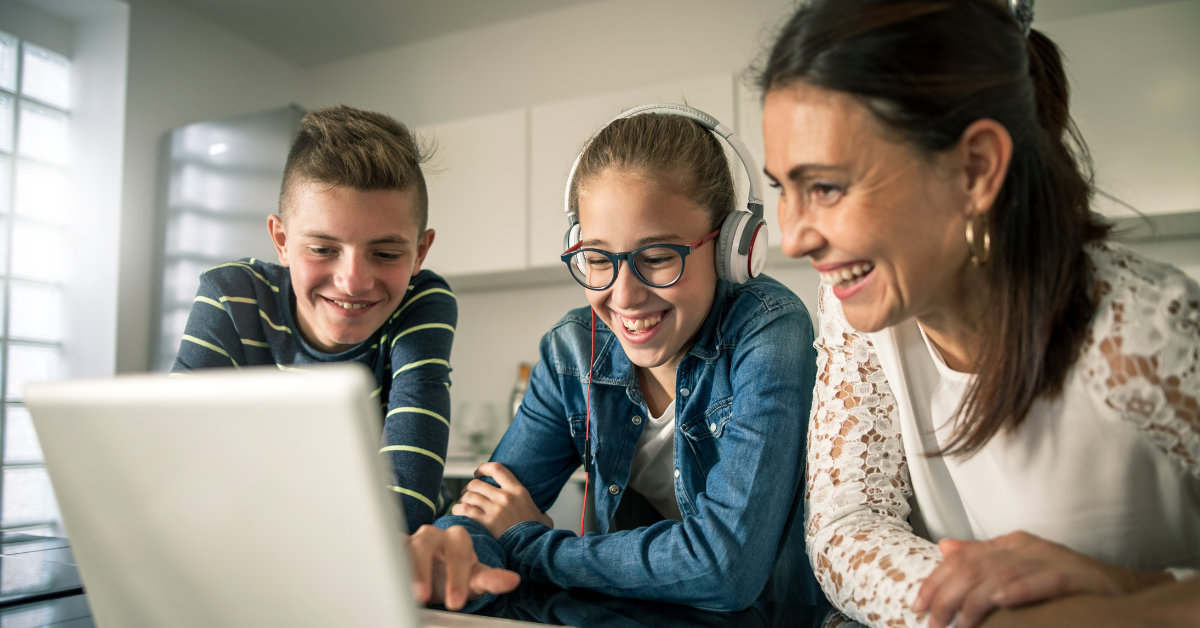
Gaming can also create opportunities for families to connect. Asking a child what they are building, who they play with or what they enjoy about a game can open the door to conversations that feel more engaging than focusing only on rules or restrictions. Many kids are excited to share the worlds they create and the communities they participate in online.
“I see games as a potential bridge between parent and child,” said Dr. Elizabeth Molovidov, Senior Director of Global Parental Advocacy at Roblox. “When a parent sits down and asks questions about what their child is working on, something amazing happens. The child stops being just a player and becomes a teacher, a creator, a storyteller. We want families to walk away with a shared experience they can keep building on together.”
For many young people, platforms like Roblox function as their main creative outlet. Kids are designing games, telling stories, experimenting with coding and bringing their ideas to life. A child who might not gravitate toward traditional extracurricular activities may discover confidence through building something of their own online. That confidence can play an important role in emotional well-being. Having a space to experiment, make mistakes and try again helps kids develop resilience and problem-solving skills. It also gives them a sense of ownership and accomplishment.
So, the next time your child brings up their favorite online game, consider what is driving their desire to play. It might open the door to new moments of connection and creativity you didn’t expect.