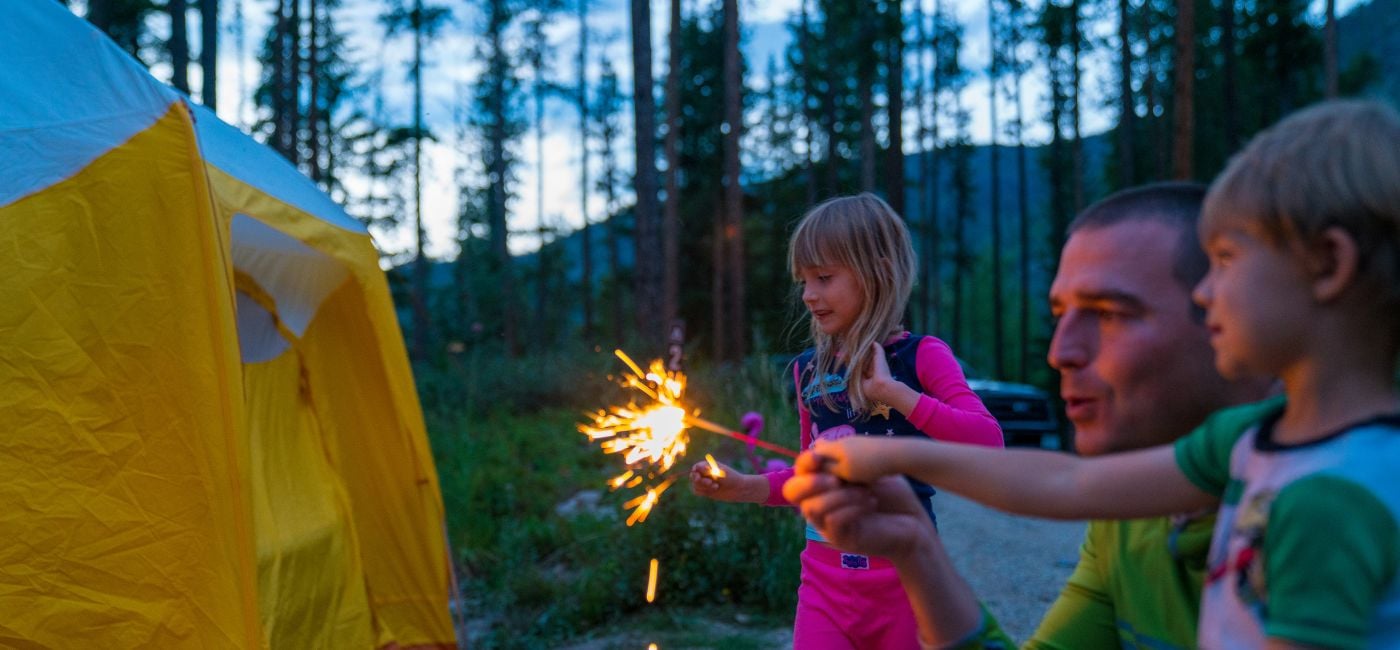
Playing in the sunshine, swimming, boating, enjoying fireworks and roaring bonfires! In Minnesota, these are the memory makers for kids and families in the Land of 10,000 Lakes.
These are also among the top activities that cause injuries in children and young adults. From too much sun to insufficient grip on the sparkler, burns are one of the most common injuries we see, especially during summer. Fortunately, these injuries are preventable.
Types and Causes of Summer Skin Burns: Sunshine and Sunburns
Nearly every parent has been there: the kids have been out in the sun for hours, and you realize, I forgot sunscreen!! Sunburns happen fast, are painful and dangerous, and can set you up for future health concerns.
The summer sun is intense and can burn skin in minutes, even on a cloudy day. Make sure you use a broad-spectrum and water-resistant SPF 30 or higher sunscreen. You should use 1-2 ounces of sunscreen (30-60 ml) ounces, enough to fill a shot glass for your entire body and don’t rush when applying to ensure you cover all exposed areas. You should apply the sunscreen to dry skin 15 minutes before initial exposure and then every two hours after that or after swimming or sweating. Ideally, parents should avoid exposing babies six months or younger to the sun. It’s best to keep them in the shade and dressed in lightweight long sleeves and pants. Sunscreen in babies under six months old should be avoided, but if shade is not available, the American Academy of Dermatology Association (AAD) recommends using SPF 30 or higher and washing off as soon as your baby is indoors.
Firework Burns
According to the Consumer Product Safety Commission (CPSC), nearly 10,000 Americans suffer firework-related injuries every year, and almost half of those injured are children. The Minnesota Department of Public Safety Fire Marshall Division reports that in the decade between 2012 and 2021, 19 percent of firework injuries were in children under the age of 10. Notably, sparklers are the top firework offenders and what many consider the most innocent. After all, so many people allow their children to handle sparklers. But, according to the National Fire Protection Association (NFPA), the tip of a firework or sparkler can burn as hot as 1,200 degrees – hotter than boiling water or burning wood, and hot enough to melt glass and cause third-degree burns. Bottle rockets are also a significant cause of firework-related visits to the ER.
The most common injuries from fireworks are:
Eye damage
Burns to the body and face
Poisoning from children ingesting materials
Hand and foot wounds
Determine the severity of the burn when deciding if your child needs to be seen and where to go for care. Keep in mind that any burns on the child’s face, genitals, or major joints should be
seen right away. Here are specifics on burn degrees:
Superficial or first-degree burns result in reddened skin without blisters. These types of burns can be treated at home.
Partial thickness or second-degree burns cause reddened skin with blisters. It’s best to have a doctor assess this type of burn.
Full-thickness or third-degree burns are characterized by white or charred skin. The area loses sensation to pain and touch. This type of burn often requires additional medical attention, care, and treatment. Again, the level of care depends on the size and location of the burn. Cover the burn with a sterile dressing, a clean washcloth, or a towel. Burns of this magnitude
should be treated at an emergency room or burn center immediately.
Bonfire Burns
While enjoyable, bonfires can also cause severe burn injuries. The first and most important step in treating minor and serious burns is simple: cool down. If you’re at home or enjoying a bonfire, run the injury under cold tap water as soon as possible. The key thing is to act quickly because when you get burned, your skin immediately starts to heat up. You want to stop that process as quickly as you can. Speedy action with cold water reduces pain, swelling, and the risk of scarring.
Here are a few other tips for treating a burn injury:
Cool off the area and cover it with a clean, nonstick dressing.
Burnt fingers can quickly swell, so remove any jewelry to prevent restricted blood flow.
Always seek medical advice if you are unsure about the severity of a burn, especially for burns on children.
Arm yourself with a protective barrier of knowledge this summer so you can spend these stunning, but limited warm weather months in Minnesota making memories, the good kind.
Dr. Kristi Trussell is an ER physician and Assistant Medical Director of The Urgency Room
Related Article: How To Know If Your Child Has Seasonal Allergies