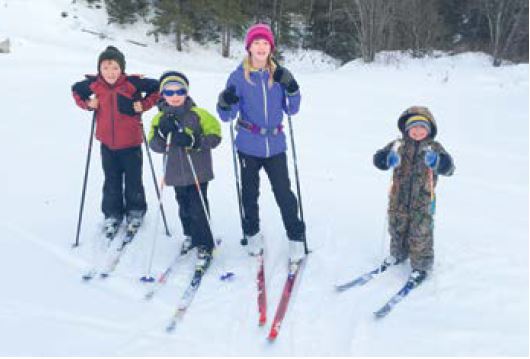
Snow totals so far this winter in Minnesota are impressive, with many children getting outside more to run, walk and ski. While it’s important to get out and move during our cabin fever months, there are risks to be aware of. The top three most common injuries children sustain this time of year are fractures, concussions, and frostbite.
More specifically, here are the injuries doctors at The Urgency Room see most often in children during the winter season:
- Broken wrist or fractured tailbone from slipping and falling on the ice.
- Concussions or TBI (traumatic brain injury) from a bump, blow or jolt to the head during ice skating and skiing or snowboarding. Jumps on a sledding hill are also a top cause of head injuries to children.
- Wrist and elbow injuries from falling while snowboarding. A Distal Radius Fracture is a very common wrist fracture that occurs during a fall on a hand stretched out to break the fall. This fracture is often treated with a cast.
- Bennett’s Fracture of the Thumb or Skier’s Thumb occurs as the result of a fall, and people who participate in activities like ice-skating, skiing, and snowboarding are at high risk. Another common injury is skier’s thumb, where a skier excessively stretches out their thumb causing a fracture or a torn ligament. These two injuries usually require surgery to realign the bones and stabilize the joint area.
- Ankle Fracture is the most common fracture that occurs with twisting injuries during winter months. These injuries occur when the bones of the ankle sustain injury from a fall or twisting type injury. Surgery is often necessary for ankle fractures to achieve proper alignment during the healing process.
- Fractures, broken bones and head trauma from skitching– where a person grabs a car’s rear bumper and slides on the soles of the shoes, or is pulled by ropes on inner tubes or sleds through icy streets.
- Fractures and concussions associated with sledding These injuries happen to those sledding down the hill and anyone in the way of a sled coming down the hill at a fast speed.
- Frostbite from a variety of activities Frostbite is an injury that is caused by exposure of parts of your body to temperatures below the freezing point. The cold causes freezing of your skin and underlying tissues. The fingers, toes and feet are most commonly affected but other extremities, including the nose, ears and cheeks, can also develop frostbite.

While common sense is one of the best defenses against winter fractures and concussions as well as frostbite, here are a few other steps you can take:
- ALWAYS make sure your kids wear a helmet when skiing, snowboarding, sledding or skating.
- Have children warm up thoroughly before outdoor activities as cold muscles, tendons and ligaments are vulnerable to injury.
- Check that all the equipment your children will be using is working properly prior to use.
- Have your child take a lesson (or several) from a qualified instructor, especially in sports like skiing and snowboarding. Learning how to fall correctly and safely can reduce the risk of injury.
- Teach your child how to do the penguin walk on icy pavement. That means having them:
- Keep the knees loose
- Extend arms to the side to keep balance and lower center of gravity
- Keep your hands out of your pockets, so you can break your fall with your hands if you start to slip
- Spread your feet out slightly— like a penguin— while walking on ice to increase stability
- Make sure your kids boots fit, are laced/secured properly, and have significant grip.
- Wear layers when it is cold and STAY INSIDE to avoid the two factors that contribute to frostbite: low wind chill and low temperatures. Watch the weather.
- If your child is exposed to the cold, make sure that they wear appropriate warm clothing. Mittens are better than gloves. Head, neck and face need to be covered if it is windy. Have your child wear waterproof clothing to keep their body dry. Multiple layers of clothing are best as the layers act as extra insulation by trapping air that warms to your child’s body’s temperature. A warm pair of boots is also needed. And plan to help your child increase their fluid and calorie intake in cold weather.

Dr. Matticks is the Medical Director of The Urgency Room, which has three Twin Cities locations in Eagan, Woodbury, and Vadnais Heights. Learn more at: www.urgencyroom.com.