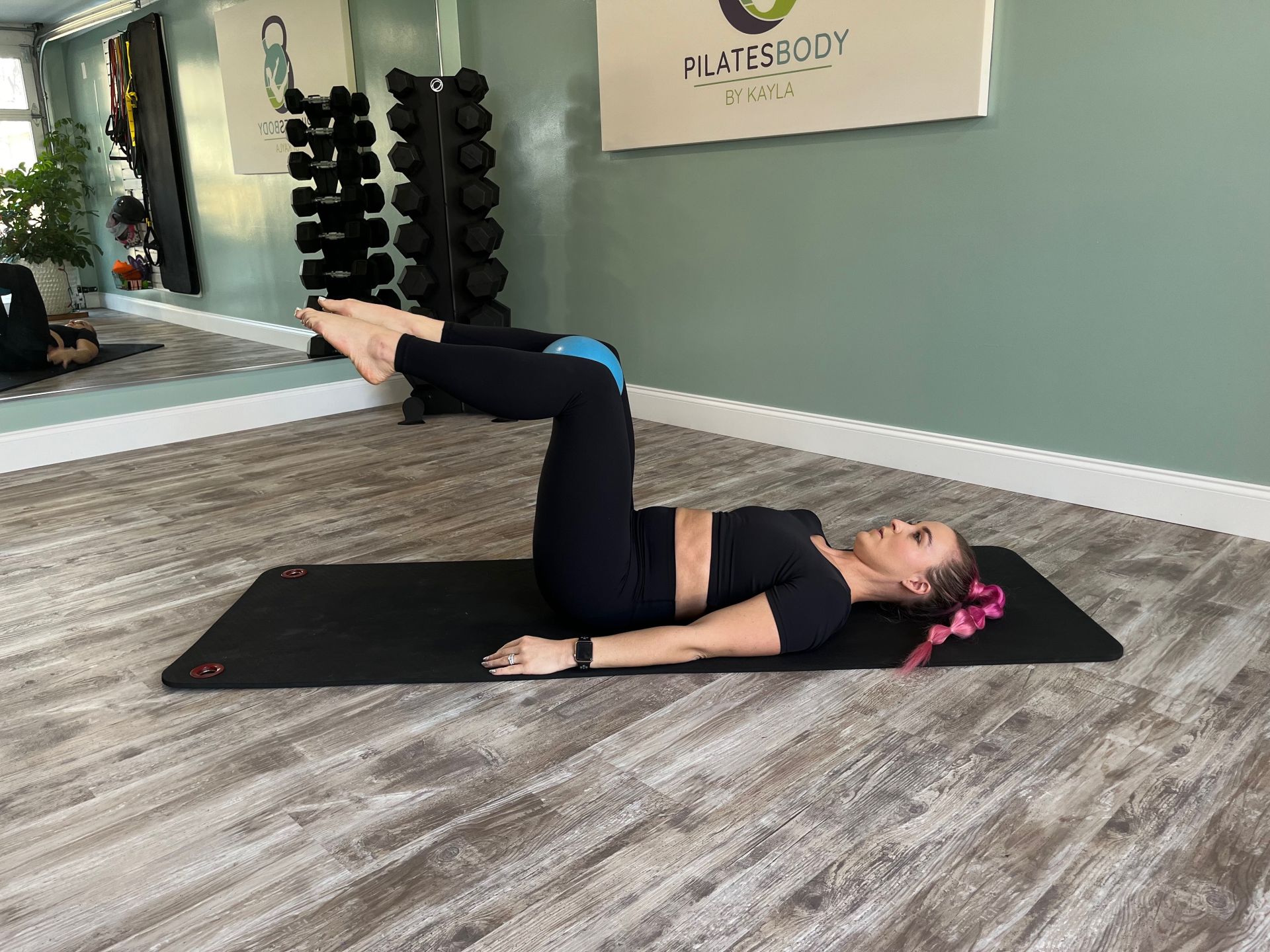
The Best Pelvic Floor Exercises After Pregnancy: Pilates for New Moms
Pilates for Pelvic Core Health
Recovering from pregnancy and childbirth is a deeply personal journey, and I know firsthand how challenging it can feel to rebuild your strength and confidence. One of the most essential steps in that process is strengthening your core and the pelvic floor. Pilates, breath work, and slow, controlled, intentional movement became my go-to during postpartum recovery, helping me reconnect with my body and feel stronger from the inside out. In this blog, I’ll share some of the best at-home pelvic floor exercises that worked for me so you can feel empowered on your own journey.
If you are experiencing any pain or have any questions or concerns about pelvic floor or birth injuries, I highly recommend seeking out a certified pelvic floor physical therapist to get a further assessment.
What Are Pelvic Floor Exercises, and Why Are They Important?
The pelvic floor is a group of muscles that support your bladder, uterus, and bowel. During pregnancy and childbirth, these muscles can become stretched and weakened, leading to issues like incontinence, back pain, or even pelvic organ prolapse. Strengthening your pelvic floor is crucial for:
- Improving bladder and bowel control: Stress incontinence, where you may leak urine during a cough, laugh, or sneeze, is common for postpartum women. Early Pilates exercises can prevent worsening symptoms and help you regain confidence in every day and high-intensity activities.
- Relieving low back and SI joint pain: Pelvic floor exercises help stabilize your core and improve posture, which reduces strain on the pelvis and lower back. By strengthening these muscles, you can better support your body during the demanding newborn months.
- Addressing diastasis recti: Thankfully, our abs separate to make room for the baby during pregnancy. In postpartum, bringing the abs back together with safe core-strengthening exercises is crucial to avoid long-term issues.
- Enhancing sexual function: Painful intercourse is a common postpartum issue often caused by muscle tension or scar tissue. Postpartum pelvic floor exercises address these underlying issues, providing lasting relief and making intercourse more comfortable without relying solely on temporary fixes.
- Reducing the risk of prolapse: Minimizing any shifting of the bladder, uterus, or rectum can help avoid the feeling of heaviness or pressure in the vaginal canal.
- Supporting your core and overall stability: A strong core is important for all the additional postpartum baby carrying and to avoid any future or prolonged health concerns.

Rebuilding Strength: How Pilates Heals Your Pelvic Floor
Pilates offers numerous benefits for pelvic floor strengthening by improving overall core strength and targeting deep abdominal muscles like the transverse abdominis. This practice stabilizes the pelvis, enhances posture, and increases body awareness, allowing new moms to engage and release pelvic floor muscles effectively while reducing strain and promoting recovery. Pilates ensures that the pelvic floor muscles are strengthened and coordinated with the surrounding muscles, like the diaphragm and deep abdominals, by focusing on controlled breathing and alignment. Over time, this integration helps reduce common postpartum issues such as lower back pain and improves overall functional movement for daily tasks.

The Best Pelvic Floor Exercises for New Moms
Remember that both strengthening and releasing your pelvic floor muscles are an integral part of healing your core and pelvic floor postpartum. Here are some gentle yet effective Pilates-based exercises to restore the full function of your pelvic floor:
1. Pelvic Tilts
- Lie on your back with your knees bent and feet flat on the floor.
- Inhale to prepare, then exhale as you gently tilt your pelvis, flattening your lower back against the mat.
- Engage your pelvic floor as you move.
- Repeat for 10-15 reps.
2. Bridge Pose with Pelvic Floor Engagement
- Lie on your back with knees bent and feet hip-width apart.
- Inhale, then exhale as you lift your hips off the mat, squeezing your glutes and engaging your pelvic floor.
- Lower down with control.
- Perform 10-12 reps.
3. Seated Ball Squeeze
- Sit on a chair or Pilates ball with feet flat on the ground.
- Place a small Pilates ball or cushion between your knees.
- Inhale to prepare, then exhale as you squeeze the ball, engaging your inner thighs and pelvic floor.
- Hold for 3-5 seconds, then release.
- Repeat for 10-15 reps.
4. Cat-Cow with Pelvic Floor Activation
- Begin on all fours with hands under shoulders and knees under hips.
- Inhale as you arch your back (cow pose), then exhale as you round your spine (cat pose), gently lifting your pelvic floor.
- Repeat for 8-10 cycles.
5. Leg Slides
- Lie on your back with your knees bent and feet flat.
- Inhale to prepare, then exhale as you slide one leg out straight while engaging your pelvic floor.
- Inhale to return to the starting position.
- Alternate legs for 10-12 reps per side.
5. Frog Stretch
- Kneel down with your knees separated shoulder width or wider. You may want additional padding under your knees.
- Bend forward, placing your elbows down on the floor
- Inhale, breathe into your pelvic floor, and think about opening your sitz bones.
- Exhale and relax into the stretch as much as possible
- Hold the stretch for 30-60 seconds.
Keep Reading for more Pelvic Floor Exercises After Pregnancy.

How to Incorporate Pelvic Floor Exercises Into Your Daily Routine
Finding time for pelvic floor exercises can be challenging for busy moms. However, incorporating them into your daily routine is easier than you might think. Try practicing seated pelvic tilts, Kegels, or seated ball squeezes while feeding or holding your baby. Cat-cow stretches, leg slides, and the frog stretch are great to do while your baby is practicing tummy time! These small, consistent efforts add up and can make a big difference in your recovery.
If mornings work best for you, set aside 5-10 minutes for a quick Pilates sequence before your day gets busy. Alternatively, combine your exercises with household chores, like engaging your pelvic floor while standing at the sink, folding laundry, or even sitting at a stop light. Making these exercises part of your everyday habits is key, ensuring you prioritize your health even during your busiest moments.

Your Pelvic Floor Questions Answered
Does Pilates strengthen your pelvic floor?
Yes, Pilates exercises focus on the center and target deep core muscles, including the pelvic floor. Concentrating on controlled movements helps restore strength and function post-pregnancy. It’s important to note that the pelvic floor works in synergy with the abdominal muscles, chest wall, and diaphragm rather than in isolation. Throughout the day, these muscles respond to changes in intra-abdominal pressure and trunk muscle activity to prevent issues like incontinence or organ prolapse (Physiopedia).
What is the best exercise to strengthen the pelvic floor?
Kegels are often one of the most well-known exercises that come to mind. Yes, they are a great place to start immediately after birth, but it is important to think about the pelvic floor and core as a whole. Combining them with Pilates movements like bridges or pelvic tilts can enhance effectiveness and improve results.
How do you cue the pelvic floor in Pilates?
Cueing engagement and relaxation of the pelvic floor muscles requires more of a visual approach. Using your mind to picture a specific image to contract, you want to imagine gently lifting the muscles as if an elevator is at the bottom floor and slowly going up to the top floor and back down to relax and soften the muscles. Relaxing the pelvic floor is a bit more difficult as it requires you to go inward, you are not going to feel muscles contracting like you do when performing a bicep curl. To relax your pelvic floor, it is helpful to sit on a pillow or a soft ball and allow your body to melt into it, completely softening as if your sitz bones are being stretched apart.
Is the Pilates ring good for the pelvic floor?
The Pilates ring is an excellent prop or tool for helping you go deeper and get more feedback on what muscles are engaging. The Pilates ring or a small ball can be used to deepen breathing, enhance core engagement by really feeling the abs pulling back together, heal diastasis recti, and activate inner thigh muscles.
When should you start pelvic floor exercises after birth?
Consult with your healthcare provider, but many moms can begin gentle exercises like pelvic tilts or Kegels within days of a vaginal birth. I began Kegels hours after delivery. I found it incredibly helpful to immediately start bringing awareness to those muscles for gentle postpartum and pelvic floor healing and to feel the connection again. For C-sections, wait for clearance at your postpartum check-up.

Final Tips for Strengthening Your Pelvic Floor with Pilates
Strengthening your pelvic floor after pregnancy is essential for overall health and well-being. Pilates provides a safe, effective way for new moms to rebuild strength, improve stability, and feel their best. Start with these simple exercises and gradually progress, always listening to your body and seeking guidance from a qualified instructor if needed.
About Kayla:
I built PilatesBody by Kayla because I know firsthand the challenges busy moms face. After struggling to find a fitness program that strengthened my core, boosted my confidence, and fit into my hectic life, I created one that does just that—and more.
As certified Pilates and personal trainer, I’m here to help you build lean muscle, reconnect with your core, and feel at home in your body again.
I’m a mom too, and I know how often we put ourselves last. Let me help you get strong, find your confidence, and prioritize you—from the inside out.
Related Article: Pilates for Parents: Get Started with Pilates At Home Exercises